
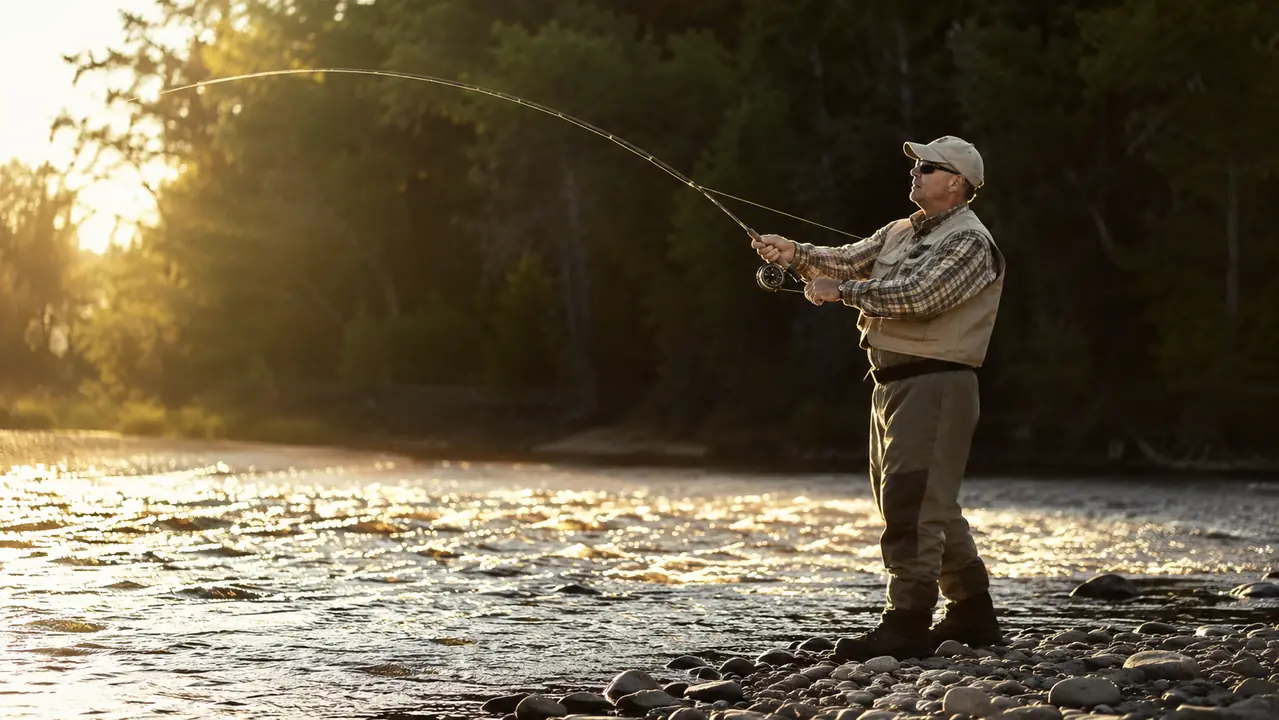
If you have ever set the hook on a fish that felt solid, felt nothing but stretch, then watched your crankbait get buried in the same snag you threw past all afternoon, you already know why I quit mono. Two seasons back I spooled my two main spinning reels with Power Pro Spectra Fiber braided line, 10-pound test on the river rig and 30-pound on the catfish reel, and I have not gone back since. This is the long report on what that actually looked like.
Let me be plain about one thing up front. Braid is not magic and it is not for everyone. It has no stretch, which means no forgiveness on a hard hookset, and when you do hang bottom it does not pop clean the way mono does. You pull the snag, or you break off at the rod tip. But for the way I fish, smallmouth on the White River below the dam, crappie in the brush piles every March, and catfish on juglines in July, Power Pro has earned its spot.
The Quick Verdict
The best all-around braided line I have used on spinning gear. Thin, strong, casts clean, and it took two seasons of rock and timber before I had to cut off the first hundred feet.
Amazon Check Today's Price →Spool Up Before the Next Snag Eats Another Lure
PowerPro Spectra Fiber braid is the line that got me out of the mono-stretch trap, and it is the brand I trust on every spinning reel I own. Check today's price on Amazon and see why it carries a 4.7-star average across thousands of ratings.
Amazon Check Today's Price on Amazon →How I've Used It
My river setup is a 6-foot 6 medium-light spinning rod paired with a 2500-size reel, spooled with 10-pound PowerPro. My catfish reel is an old 4000-size that has seen better days, and it carries 30-pound. In between, a baitcaster for bass with 15-pound, though that reel does not get the hours the spinning reels do.
I did not baby the line. It sat on reels in the truck through July heat, got dragged across gravel bars, wrapped around a prop shaft once, and spent a whole winter on the spool in my basement untouched. Across two seasons I figure roughly eighty trips, split between the river, the big lake, and a handful of farm ponds that a friend lets me fish.
Most of that was casting lures and soft plastics, and on clear-water days I tied on a fluorocarbon leader. On the juglines I ran straight braid with no leader, because catfish are not line shy at night and I wanted every bit of abrasion resistance I could get on the rocks and timber.
One trip worth remembering was a morning in late April on the Current River. I spent the whole day on 10-pound PowerPro, working a Rebel craw crank along a bluff wall, and I landed eleven smallmouth, the best pushing nineteen inches. Not one of them came off, and on mono I would have expected at least a couple of soft hooksets to shake loose. That is the kind of day that sells you on braid for good.
What PowerPro Is, and Why It Casts the Way It Does
Power Pro is a braided line made from Spectra fiber, which packs more strength into a thinner line than mono can match. A 10-pound Power Pro runs about the diameter of 4-pound mono. That thinness is the whole game. You get more line on the spool, less drag in the current, and a smaller silhouette for the fish to inspect before it commits.
Because there is no stretch, everything comes straight to your hand. I can feel a smallmouth tick a soft plastic on a slow fall now in a way I never could with mono. The trade is that there is no cushion. Set the hook into a rock or a stump and the line has no give, so you learn fast to set with the rod, not the reel.
That no-stretch feel is the reason braid gets called the best line for feeling bites, and it is a fair claim. But it takes a season to trust it. The first time a big fish surges and the line does not stretch at all, it feels wrong, like something is about to break. Then you land the fish and realize the stretch was never doing you any favors.
One more reason I run PowerPro on the river is how it handles current. Mono drags and bows in a heavy current, so you are always fighting the line to keep a feel on your lure. Braid cuts through the water column and keeps a straighter line to the bait, which matters on the White River below the dam when the water is running. I can work a jig down a ledge and feel the tick of the bottom the whole way down.
The Fray, the Color Fade, and the Honest Wear
Now the part nobody puts on the box. Braid does fray. After a season of dragging 10-pound Power Pro over gravel and around flooded timber, the first ten feet off the lure started to look fuzzy. It did not break, which surprised me, but I could see the wear clear as day. I cut off the damaged section, re-tied, and that became the maintenance rhythm: check the business end after any rough trip and cut off anything that looks tired.
The color fades too. PowerPro starts out in a visible color, and two seasons of sun and water knock it toward a washed-out gray. That does not bother me on the river because I fish a fluorocarbon leader in clear water anyway. If you like to watch your line for subtle bites on straight braid, a faded color is a minor annoyance, not a failure.
Here is the thing about the fray, though. Frayed mono usually means the line is done, structurally shot. Frayed braid still holds, you just do not want to trust the fuzzy part with a big fish. So you cut and re-tie, and the rest of the spool is as good as new. That is a real advantage once you get used to the upkeep.
Knots, Leaders, and the Little Things That Matter
Braid is slippery, so the knots that served you with mono will not do. The Palomar knot is the one I trust for braid to a hook or swivel, and in two seasons it has never let go. For braid to a fluorocarbon leader I use an Alberto knot, tied with the leader wet so the friction does not heat and damage the line.
The wind knot is the one real annoyance with braid on spinning gear. The line is so thin and soft that a sloppy cast into a headwind can throw a little tangle into the spool, and if you do not catch it before the next cast it buries itself. Slowing down the start of the cast and feathering the line with a finger fixed most of that for me.
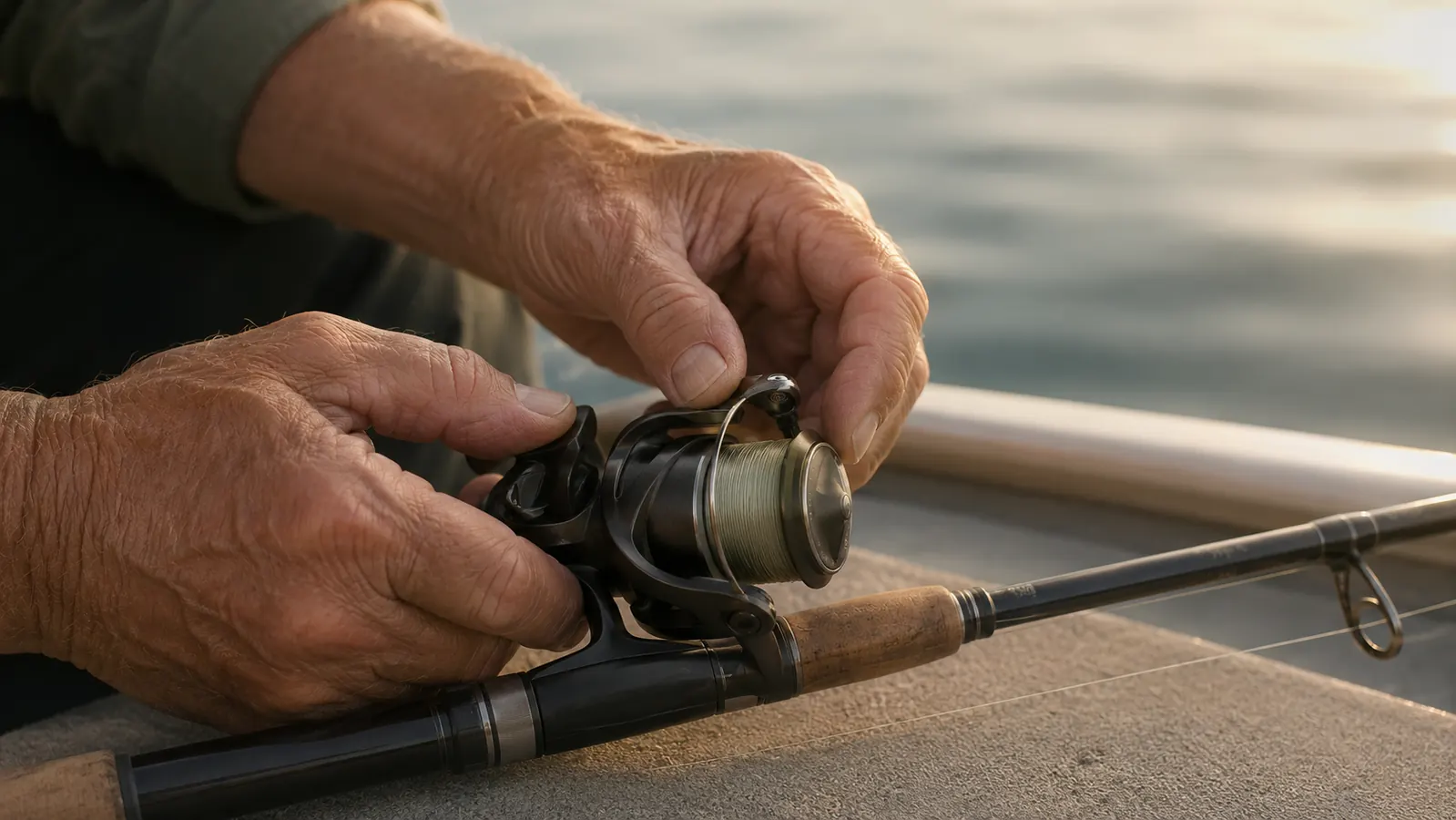
One more thing worth saying: braid needs a firm hand when you first spool it. If you lay it on loose, a big fish will dig the top layers down into the spool and you will feel it on every cast after that. I spool mine under steady tension with a wet rag on the line and it has not been an issue since.
Worth noting too: braid is not a knot-eater the way mono is, but it is fussy about poor knots. The same half-hitch you used to get away with will slide and fail on braid. I re-tie after any fish that puts a real bend in the rod, and I inspect the first few feet the same way I check a rope before a load. It sounds like a lot of fuss, but it becomes habit fast and it is the difference between a clean fight and a sad walk back to the truck.
Choosing a Test Weight and Setting Up for Your Water
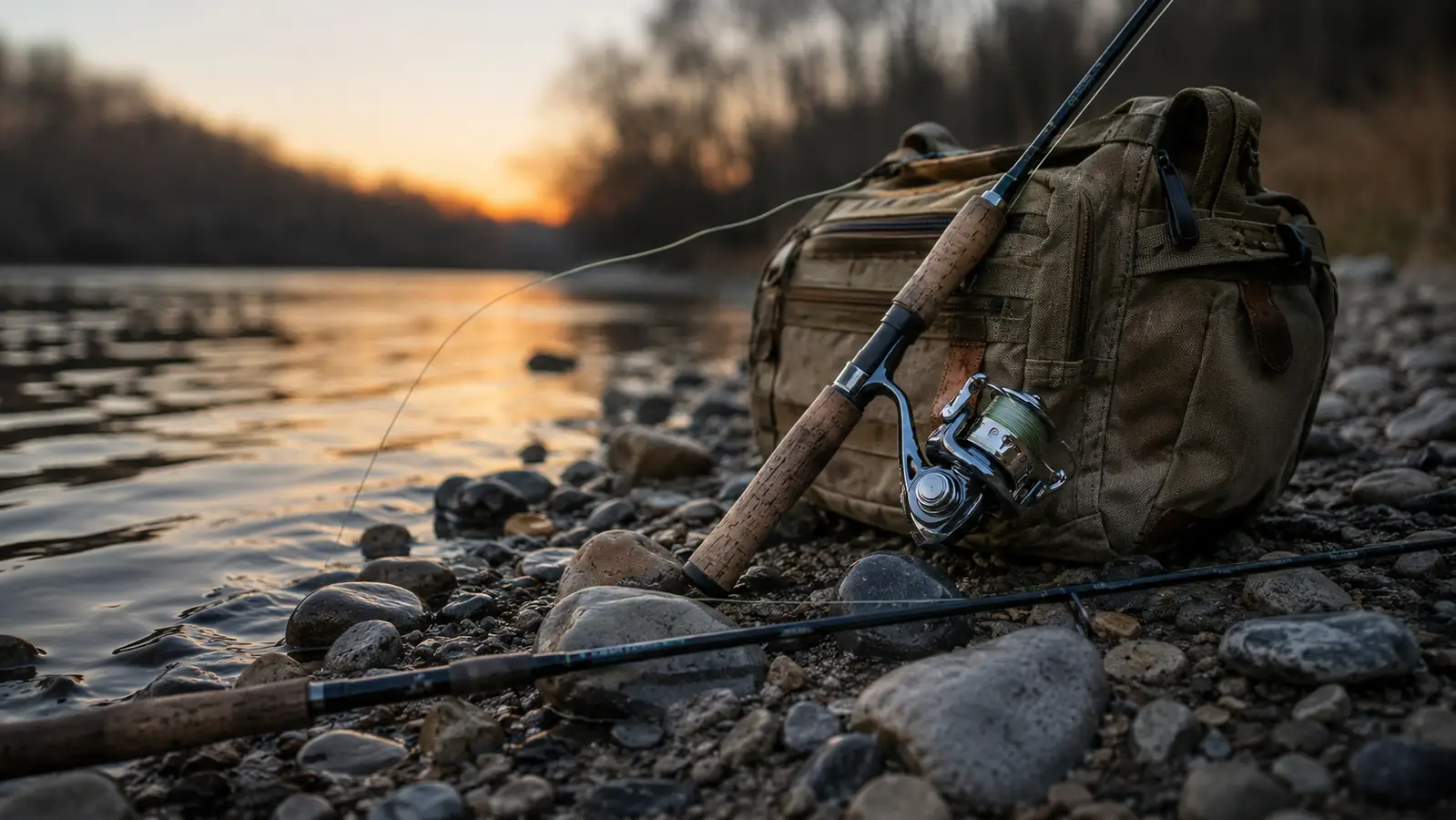
The biggest mistake people make with braid is buying it too heavy. PowerPro is so much thinner than mono at the same test that you can often drop a size and get the same strength with better casting. For panfish and crappie, 6 to 10-pound is plenty. For bass and smallmouth in open water, 10 to 15-pound covers almost everything. For catfish, striper, or any fishing around heavy cover, 30 to 50-pound is not overkill.
I spool most spinning reels with 10-pound and save the heavy stuff for the reels that need it. The thin line lets a light lure fly further and sink naturally, and the strength is there when a surprise fish hits. You trade a little diameter for a lot of confidence, and on the river that trade has paid off more times than I can count.
If you are coming off mono, keep a roll of it handy for backing. Braid can slip on a smooth spool, so I tie the braid to a short mono backing with an Alberto knot and fill the spool about three quarters with braid. That saves line, stops the slipping, and gives you a built-in shock absorber at the spool end.
Performance Over Time: The Two-Season Verdict
Here is the honest scorecard. In two seasons I broke off exactly twice, both times wrenching on a lure hung solid in heavy brush, and both times it let go at the knot after serious strain. I never once had the line snap mid-fight. That is the number that matters to me, and it is a number mono never gave me.
The 30-pound catfish reel has landed fish I still measure in arm lengths. One of those nights a fish wrapped me around a cedar snag in the dark and came out the other side still tight. I have never had mono do that. It would have stretched, rubbed against the bark, and left me standing there with a slack line and a story about the one that got away.
The 10-pound reel is down to maybe half its original line because I keep cutting off frayed sections and re-tying, but what is left casts clean and still holds. For the money, two seasons out of a spool is better than any mono I have used, most of which I was replacing every single season because of coil set and stretch memory.
There is one more thing worth putting on the record. The same spool of 30-pound that caught catfish all summer also spent a season trolling a couple of crankbaits on a friend's boat, and it handled that just fine too. Braid does not mind being used for several jobs, which is more than I can say for the dedicated mono setups I used to keep around. One spool, three kinds of fishing, two seasons, no complaints.
What I Liked
- No stretch, so hooksets land and you feel every bite instead of guessing
- Thin diameter packs more line on the spool and cuts through current
- Took two seasons of rock, timber, and July heat without a single mid-fight break
- Casts clean on spinning gear once you learn the wind-knot fix
- Holds a Palomar knot tight and does not slip under heavy strain
Where It Falls Short
- Frays and fuzzes at the lure end after rough trips, so you have to cut and re-tie
- Color fades toward gray after a season in the sun
- No stretch means no forgiveness, you will break lures off on snags
- Wind knots on spinning reels if you rush the cast
One of those nights a fish wrapped me around a cedar snag in the dark and came out the other side still tight. I have never had mono do that.
Who This Is For
If you fish structure, cast lures all day, or fight fish in current, braid is worth your time and Power Pro is a strong first choice. It shines for anyone who wants to feel the bottom, the bite, and the lure working, and who fishes water where abrasion is the real enemy. If you have been losing fish to stretch or losing lures to snags, this line fixes the first problem outright and gives you a fair fight on the second.
Who Should Skip It
Braid is not for everybody, and pretending otherwise is how people get frustrated and quit on it. Beginners still learning to set a hook will break off more with braid because there is no stretch to forgive a sloppy hookset. If you fish mostly clear, shallow water with light finesse lures and refuse to tie a leader, the visible line will cost you bites. And if you do not want to learn two new knots, stick with mono and skip the whole category.
Give Your Reels the Line That Handles Real Water
Two seasons in, Power Pro is still on every spinning reel I own. Check today's price on Amazon and spool up before your next trip.
Amazon Check Today's Price on Amazon →