
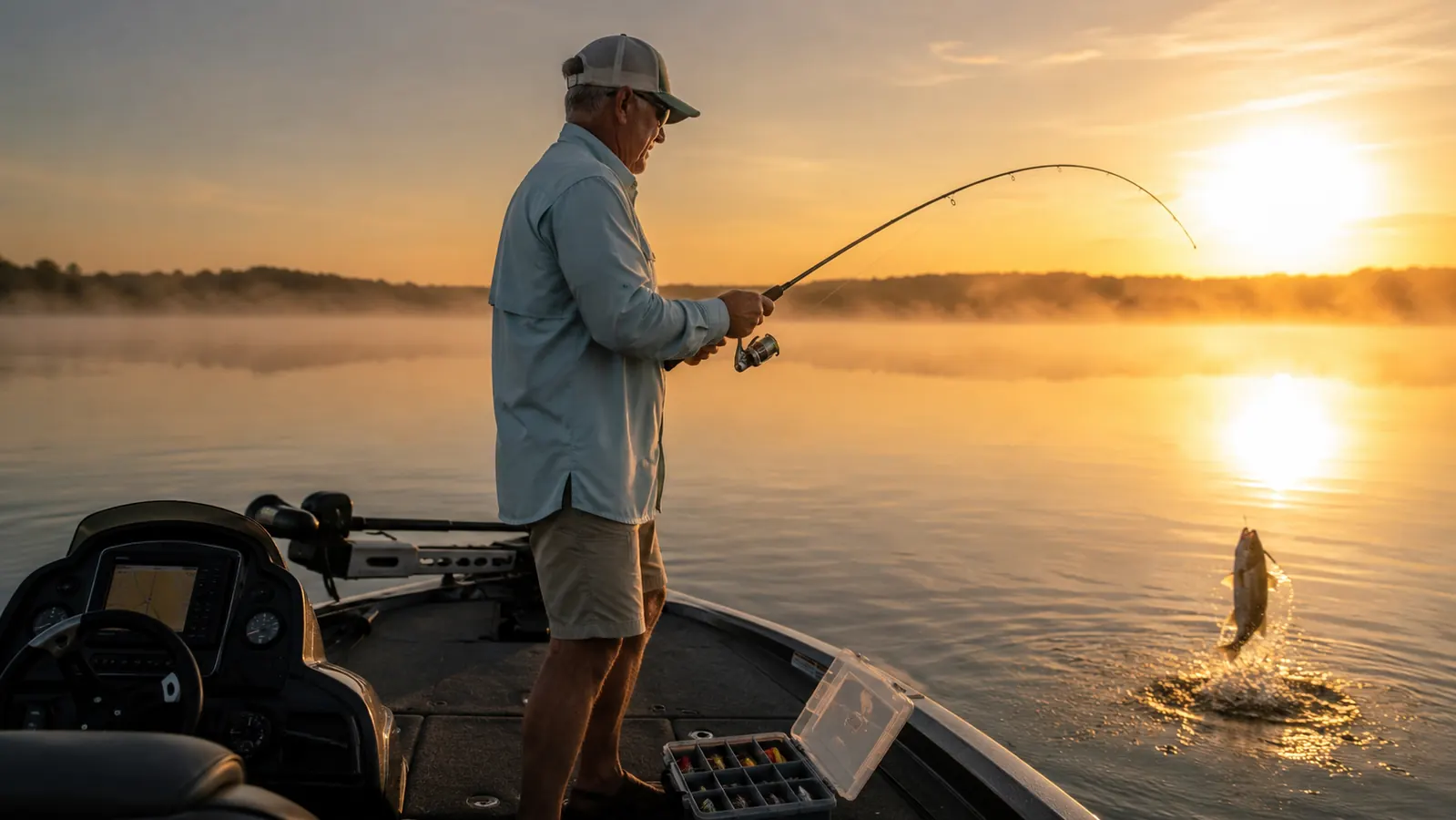
The last Saturday of June was dead calm on Table Rock, the kind of flat water where you can hear a boat motor a mile away and every cast lands with a splash you can hear. I had a box full of crankbaits and spinnerbaits that I had been throwing since first light, and after two hours I had one short strike to show for it. The bass were there. I could see them stacked on the graph along the points, holding tight to the bottom, and they would not come up for anything. I had tried every color in the tray and was about ready to call it a day and go get lunch.
About noon I ran out of patience and dug through the bottom of my tackle box looking for anything I had not thrown yet. Way down under the spinnerbait packages I found a pack of Berkley PowerBait worms, still sealed from a trip the year before. I had grabbed them at the gas station on a whim, the kind of impulse buy that usually sits in the box for years. I tore the pack open, threaded one onto a Texas rig, and pitched it at the nearest point and let it sink all the way down. I did not expect much. I just did not want to go home skunked.
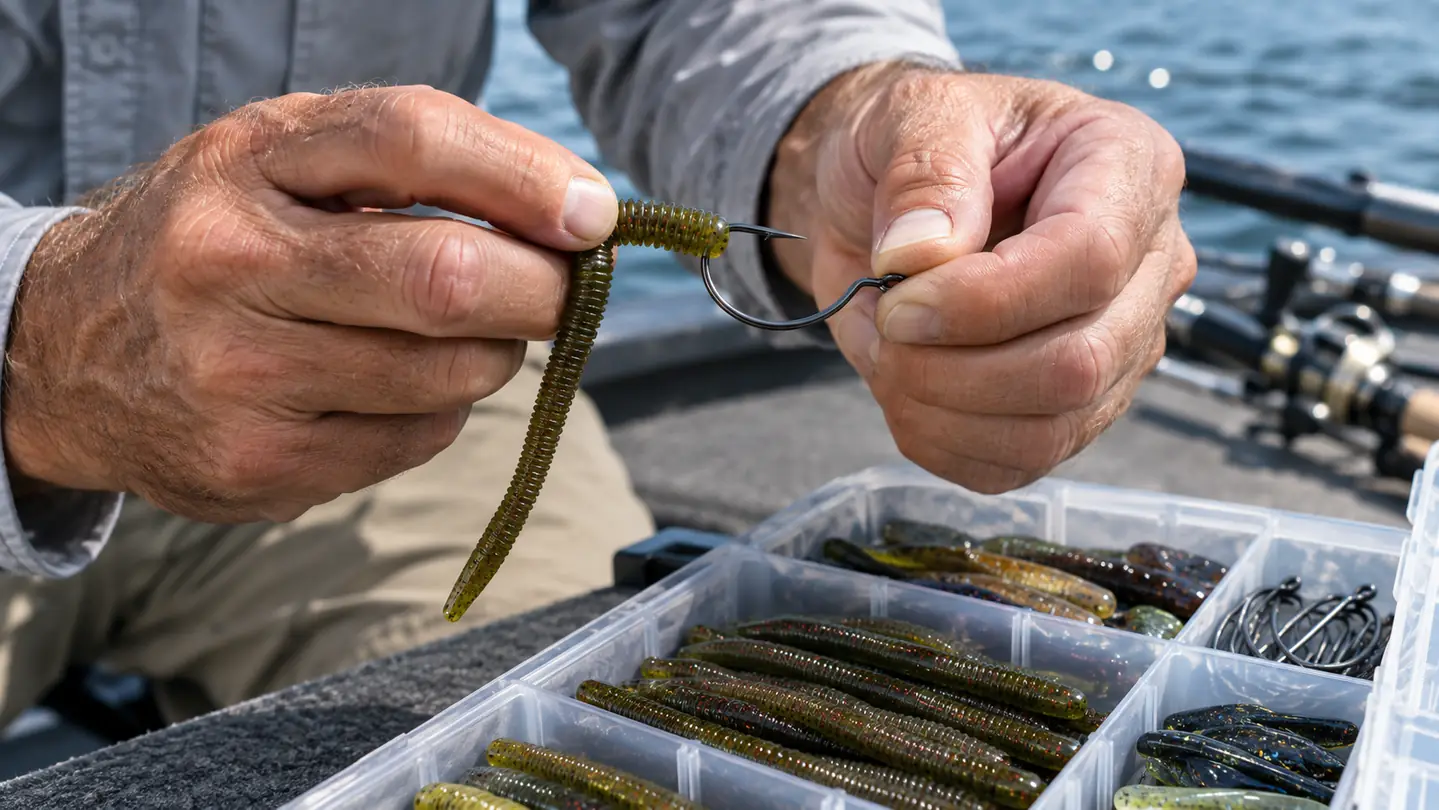
Third cast. The line ticked, then pulled, and I set the hook into the first bass of the day, a two-pounder that fought like it weighed twice that. I figured it was a fluke, one fish that was dumber than the rest. Then it happened again on the next point, and again on the point after that. Three casts, three bass, all on the same worm.
By the time the sun got low I had caught more bass on that one pack of worms than I had caught all month on everything else in the boat. My buddy Ray called me on the radio and asked what in the world I was throwing. I told him the truth, that it was a pack of worms I had almost left at home. He laughed and said I was messing with him. Then he tied one on himself and caught a fish on his second cast.
After that we stopped moving and just worked the same two points until dark. Neither of us touched a crankbait the rest of the day. I have fished long enough to know when a bait has earned its spot in the box, and that pack of PowerBait worms earned it before the sun went down.
I caught more bass on that one pack of worms than I had caught all month on everything else in the boat.
The Pack That Out-Fished a Whole Box of Cranks
That afternoon I learned that the simplest bait in my boat beat every shiny lure I had bought that spring. If you fish soft plastics at all, this is the pack to keep within reach.
Amazon Check Today's Price on Amazon →Why did they work? I have honest guesses, because I am not the kind of guy who pretends to have it all figured out. The PowerBait worms carry a scent that stays on the plastic, and on a dead-calm day when the fish are shut down, that little bit of smell can be the difference between a look and a bite. A bass that is not feeding will still inspect something that smells alive.
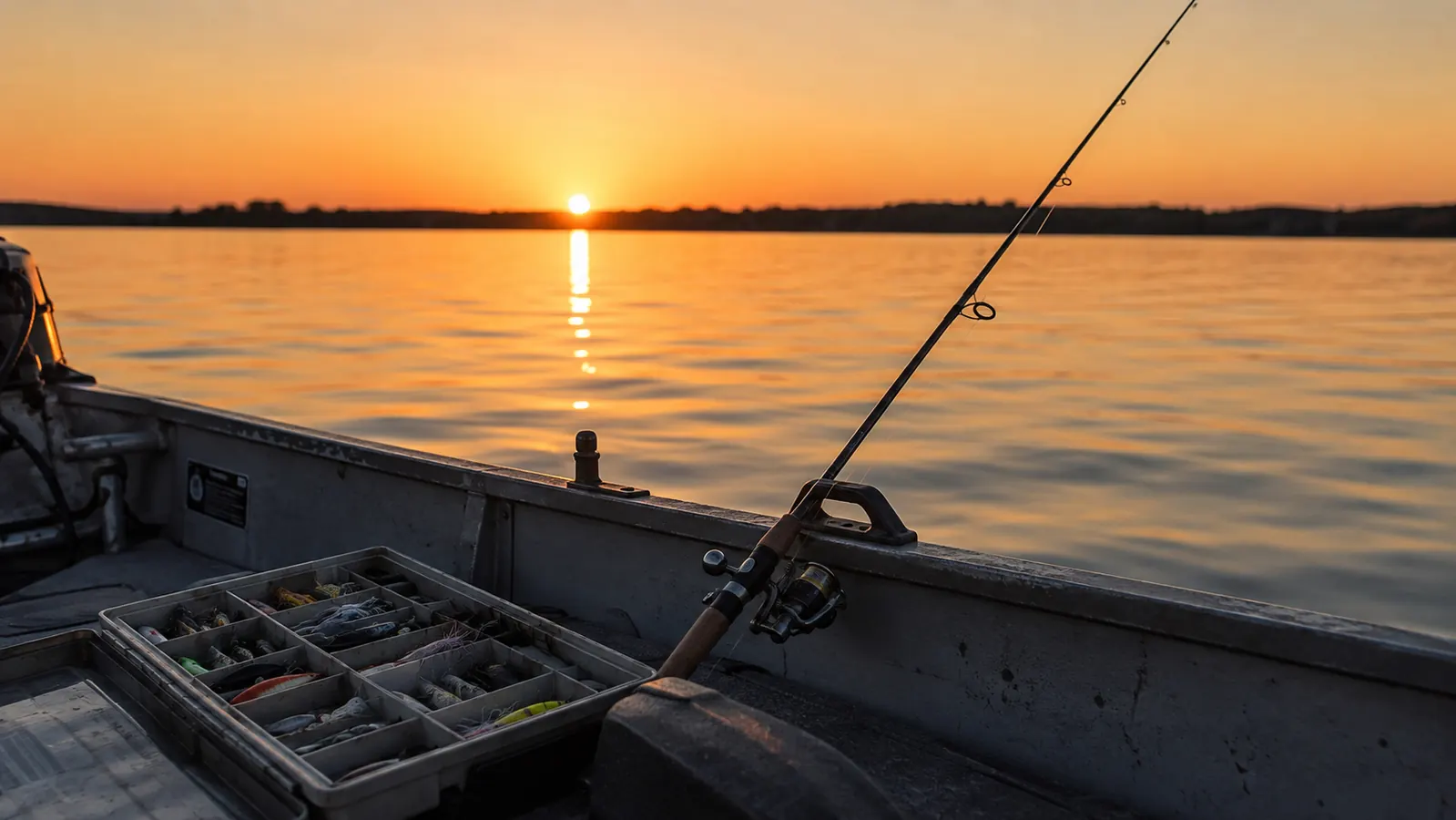
They also fall slower than a crankbait, so they hang in front of a bass for a longer count. And that slow wiggle on the fall is what a fish that is not really feeding still cannot leave alone. Put the three together, the scent, the slow fall, and the action, and you have a bait that works on the days nothing else does. It is not magic. It is just a bait built to be noticed, and it does its job.
Here is the part I do not like to admit. I had stopped carrying soft plastics because I got caught up in buying new hard baits every spring. I had a whole tray of lures I had paid good money for, and the fish would not look at them. That pack of Berkley PowerBait worms outfished every one of them. It is a humbling thing to watch a cheap pack of worms beat tackle that cost a small fortune.
Here is the part that matters for your own fishing, not just my story. A worm like this has to be fished with a soft hand. You cast it out, let it sink, and reel it back slow enough that the tail just bumps along the bottom. Most of the bites came on the fall, a tick on the line instead of a yank, and the guys who miss it are the ones reeling too fast.
I have carried a pack in every box I own ever since, and I have not regretted it once. On the slow days, when the graph is full of fish and nothing is biting, I tie one on first. It is the closest thing I have to a guaranteed answer, and I did not figure that out until a dead-calm afternoon in June.
What I'd Tell You If We Were Sitting at My Kitchen Table
If you were sitting at my kitchen table asking what to keep in your box, I would tell you to stop overthinking it. Learn one rig, the Texas rig, and learn it well. Keep a pack of Berkley PowerBait worms in every box you own. And fish them slow, slower than you think you should, because the fish are not going anywhere. You can buy new crankbaits all spring and still come home empty-handed. Or you can keep a cheap pack of worms handy and be the guy who catches fish when nobody else does. I know which one I choose.
The Bait That Wins the Slow Days
A pack of Berkley PowerBait worms is the cheapest insurance you can put in a tackle box. Pick up a pack and keep it where you can reach it.
Amazon Check Today's Price on Amazon →