
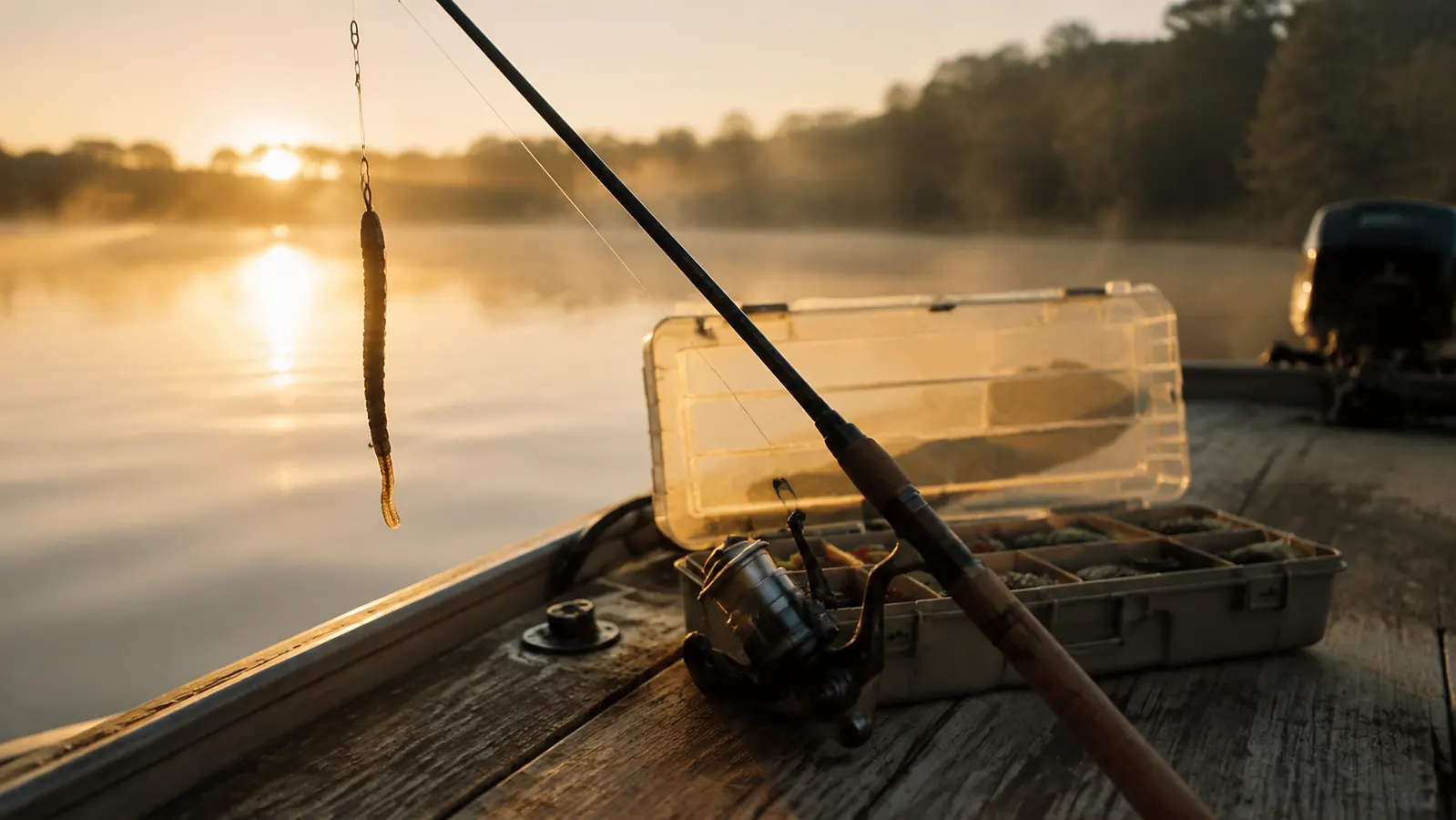
Every spring I watch the same scene play out at the tackle shop. A guy plants himself in front of the soft plastic wall with a pack of Berkley PowerBait worms in one hand and a pack of YUM Dingers in the other, and he stares at the two like the decision is going to change his life. I have fished both long enough that I stopped staring a while back. I buy both, and I use them for completely different jobs. That is the honest short answer to which one wins: it depends on how you fish, and pretending otherwise is how you end up with the wrong worm and a slow afternoon.
If you want one pack that will survive a summer of dragging a Texas rig through rocks and timber and still catch fish, buy the Berkley PowerBait worms. If you are fishing a clear, pressured lake and need a bait that falls like it is alive with no input from you at all, buy the Dingers. One is a workhorse. The other is a finesse specialist. Most of us need both in the box, and the sooner you stop treating this like a one-or-the-other decision, the more fish you will land.
I ran both baits side by side through a full season, spring through late fall, on the James River and on Table Rock Lake. Same hooks, same weights, same stretches of water, same days. I kept the PowerBait worms Texas rigged on one rod and the Dingers weightless on another, and I swapped them on the same casts until the bite told me which one the fish wanted. What follows is not a brand loyalty argument. It is a breakdown of what each bait does better, and the honest places where one simply beats the other.
| Berkley PowerBait Worms | YUM Dingers | |
|---|---|---|
| Price per pack | A ten pack lands right around today's going rate for a quality soft plastic, and the PowerBait line goes on sale often enough that I stock up when it does. | Also a ten pack in the same price neighborhood. Dinger pricing sits in the same cheap aisle, so the wallet barely notices the difference. |
| Scent | Infused with the PowerBait scent formula. Garlic and salt that mask your fingers and give a bass a reason to hold the bait a beat longer on the hit. | No scent added. The presentation relies on the fall alone, so there is nothing extra on the smell front. |
| Action | A curly tail that kicks on a slow retrieve. Drag it along the bottom and it keeps moving on its own, even when you are not doing much. | The stick bait shimmy on a weightless fall is the reason Dingers are famous. Bass that have seen every crankbait in the book still eat that flutter. |
| Durability | PowerBait worms are famously tough. That stretchy Power formula takes abuse, so one worm can outlast a box of cheaper plastics. | Soft and tear prone. A dinger takes damage on a single hookset, and rocky banks will run through a pack fast. |
| Best for | Dragging and hopping a Texas rig through cover, or chunking a Carolina rig for river smallmouth. Covers water and catches numbers. | Weightless and wacky rigs on calm, high-pressure days when the bite turns off. The slow fall is what triggers the big ones. |
The table tells the story in shorthand, but the details matter. Both baits land in the same price neighborhood, so price is not the reason to choose. The real differences are in how they behave in the water and how long they last when the fishing gets rough. Those two differences decide everything else.
Where Berkley PowerBait Worms Win
The PowerBait scent is not marketing fluff. I have dragged these worms through the James River in the Ozarks for two seasons now, and the garlic heavy smell does two real things. It masks the oils from your hands, and it gives a bass a reason to hold on a half second longer when it picks the bait up. On a slow bottom drag, that half second is the difference between a clean hookset and a fish that spits the worm at the boat. I have watched the same fish refuse an unscented plastic and come back for the PowerBait worm on the next pass.
The other thing is durability. PowerBait worms are made with that stretchy Power formula that fights back when you snag it. I have pulled one worm through a brush pile that would have shredded most plastics I own, and that same worm caught two more bass after the snag. On a rocky riverbank, soft baits tear on the first good hookset and you spend the day re-rigging. The Berkley worms keep their shape cast after cast,
Then there is the action. The curly tail on the PowerBait worm kicks on a steady retrieve, so it moves even when you are not doing much. That makes it a forgiving bait for covering water. You can cast it up past a log jam, let it sink, and hop it back with a slow pull, and the tail does the work. It is not the flashiest presentation in the box, but it is the one that keeps catching fish on new water.
One more thing on the Berkley side, and it is a quiet one. Because the Power formula is tougher, the scent does not wash out as fast, and the garlic smell stays on the plastic longer than it does on a soft bait that tears and fades. On a long day of dragging, that means the same worm is still working at hour four. I have switched to a fresh worm just because the old one looked beat up, not because it had stopped catching fish.
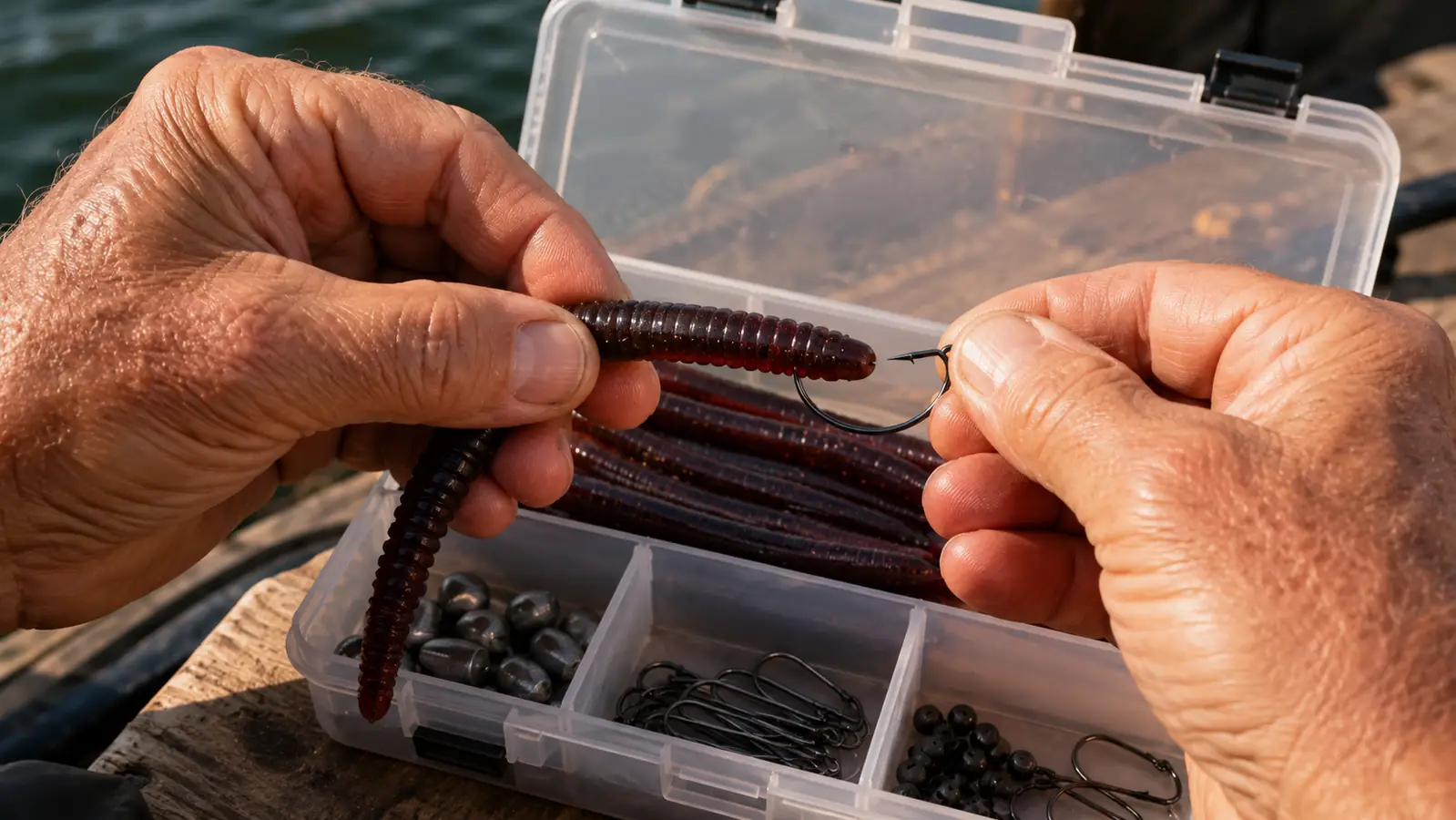
Where YUM Dingers Win
The Dinger's whole game is the fall. It is a plain stick worm with no tail, and it shimmies side to side as it sinks weightless. That subtle flutter is exactly what bass on a pressured lake have not learned to ignore. I have thrown a weightless dinger into a pocket on Table Rock Lake, where fish were holding tight to a bluff wall, and watched it get eaten on the drop before my Texas rig had even reached the strike zone. You cannot get that reaction from a bait that falls straight and fast.
Where it really earns its keep is the dead calm afternoon. When the water is flat and the fish have gone shy, a fast moving bait spooks them. The dinger lets you make a long cast, let it fall with that shimmy, and barely twitch it on the way back. It is the closest thing soft plastic fishing has to a slow motion presentation, and it flat out catches the biggest bass of the year on those days. I landed a five pound largemouth on Table Rock last June on a weightless dinger when the PowerBait worm on the other rod had gone dead quiet for an hour.
Dingers also shine on the wacky rig. Hook one through the middle, cast it out, and let it sink, and the two ends flutter on their own. That is a strong presentation for bank fishing around docks and laydowns, where a bass can see the whole bait and needs a reason to commit. The softness that makes Dingers tear easy is the same softness that makes them feel like a real worm in a fish's mouth, and on the wacky rig that softness is the whole point.
The Dinger is also the bait I hand to somebody who tells me they cannot catch bass on a soft plastic. Rig it weightless, tell them to count to ten and not move it, and the first time a bass swims off with it they understand the whole game in a single cast. It is the easiest bait in the world to fish badly and the easiest to fish well, which is exactly why it has the reputation it has.
The anglers who insist one bait is better than the other are usually the ones who only fish one kind of water.
My pick for a one-pack-does-it-all soft plastic
After a season of running both side by side, the Berkley PowerBait worms are the pack that never leaves my boat box. They survive the snags, the scent holds all day, and the same rig catches smallmouth and largemouth without a retie.
Amazon Check Today's Price on Amazon →The One Thing That Decides It
Here is the thing nobody tells you at the tackle counter. The bait matters less than how you present it, but presentation only works when the bait matches the conditions. On moving water, a weightless stick worm sinks too slow and never gets down to the fish. On a dead flat lake, a curly tail worm dragged fast is exactly the wrong speed. Match the bait to the water and you win. Force a bait onto water it was not built for, and you spend the day convincing yourself the fish are not biting.
That is why I keep both rigged on separate rods all season. The PowerBait worm rod is my search tool, the one I pick up first on new water. The dinger rod is my answer tool, the one that comes out when the search bait stops working. It takes about twenty seconds to switch rods, and that twenty seconds has turned more slow days into good ones than any lure purchase I have ever made.
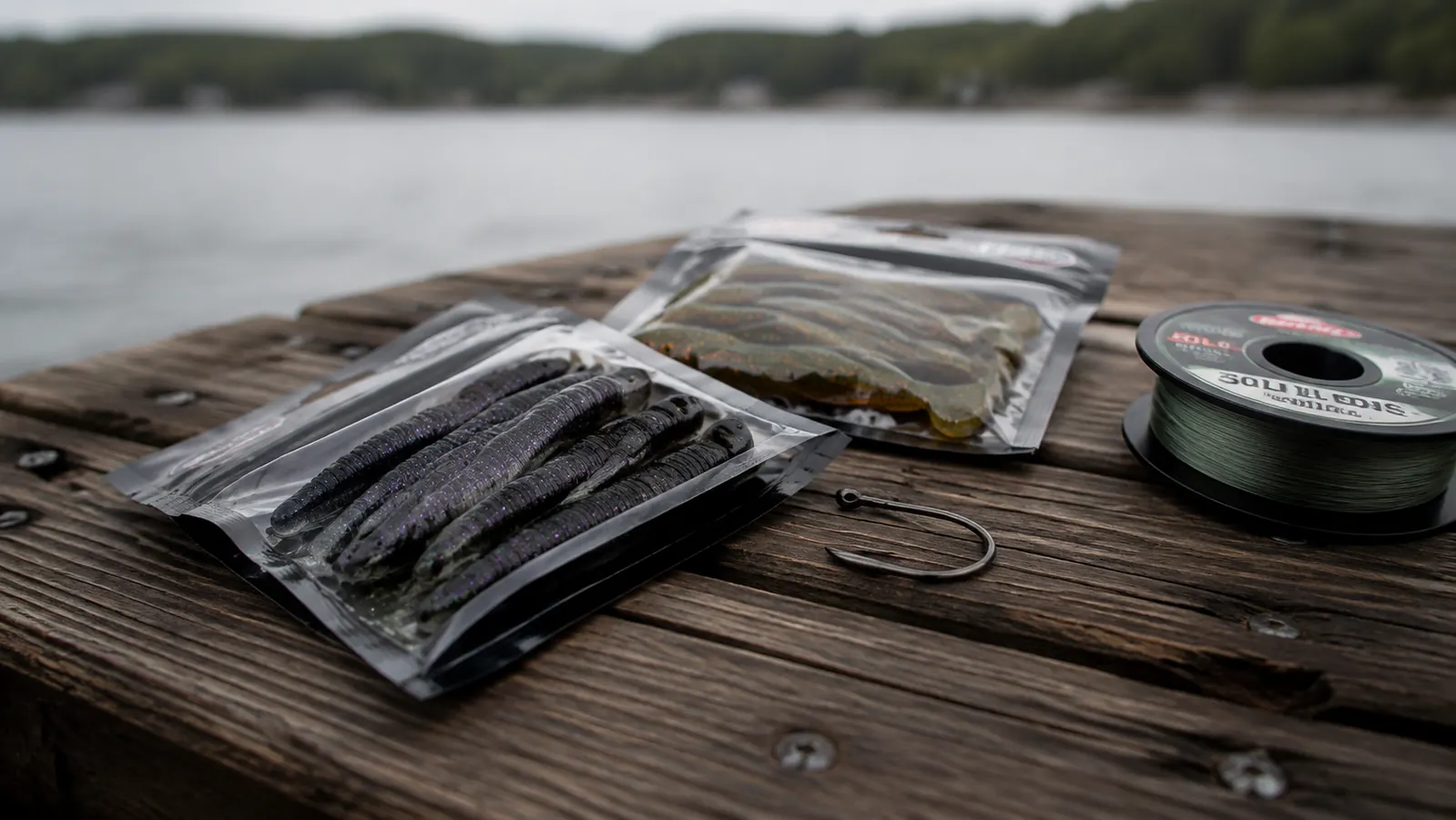
Who Should Buy Which
Buy the Berkley PowerBait worms if you fish moving water, drag a Carolina rig, or want one pack that handles river smallmouth and farm pond largemouth without shredding on the first snag. They are the better first soft plastic for a beginner, because they hold up while you learn to feel a bite and set the hook. They are also the better bait when you are covering new water and need something that works on its own while you figure out where the fish are holding.
Buy the Dingers if your home water is a clear, crowded lake where the bass have seen every lure in the aisle, or if you are learning the weightless wacky rig and want the bait that made it famous. They are the better choice when the bite turns off and you need a slow, subtle presentation that triggers a reaction instead of a chase. Just budget for the fact that they are soft, and you will go through a pack faster on rocky banks.
And if you fish like me, a couple of Ozarks rivers in the spring and a big lake a few times a year, you will end up with both in the box. That is not a mistake, it is just covering your bases. The two baits do not compete with each other. They cover different water, different conditions, and different moods of the fish.
How I Decide at the Dock
Here is the rule I actually use, and it is simple enough to remember standing at the boat ramp. If the water is moving or the fish are aggressive, I reach for the PowerBait worms first. If the water is flat, the sun is high, and I can see fish on the graph hugging the bottom, I go weightless with the dinger. You do not need a dozen packs of each. You need to know which job each one does, and then you fish the conditions in front of you instead of the brand on the package.
The flip side of the Dinger is that you have to fish it slow to make it work, and slow fishing is harder than it sounds. Most of us are wired to reel faster than we should. A dinger punishes impatience. The days it outfish everything else are the days I force myself to count to ten after the cast and let it fall all the way to the bottom before I move it. That discipline is a skill, and the Dinger is the best teacher I know.
If you only take one thing from this, take this. Do not let the internet talk you into one bait because somebody caught a giant on it in a video. The giant was caught because the bait matched the water that day. Learn the water you fish, learn the two or three baits that cover it, and you will outfish the guy with forty packs and no plan.
Start with a pack of Berkley PowerBait worms
They are the soft plastic I reach for first, the one that holds up on the snags and keeps catching fish when the sun gets high. Grab a pack and put it on a Texas rig before your next trip out.
Amazon Check Today's Price on Amazon →