
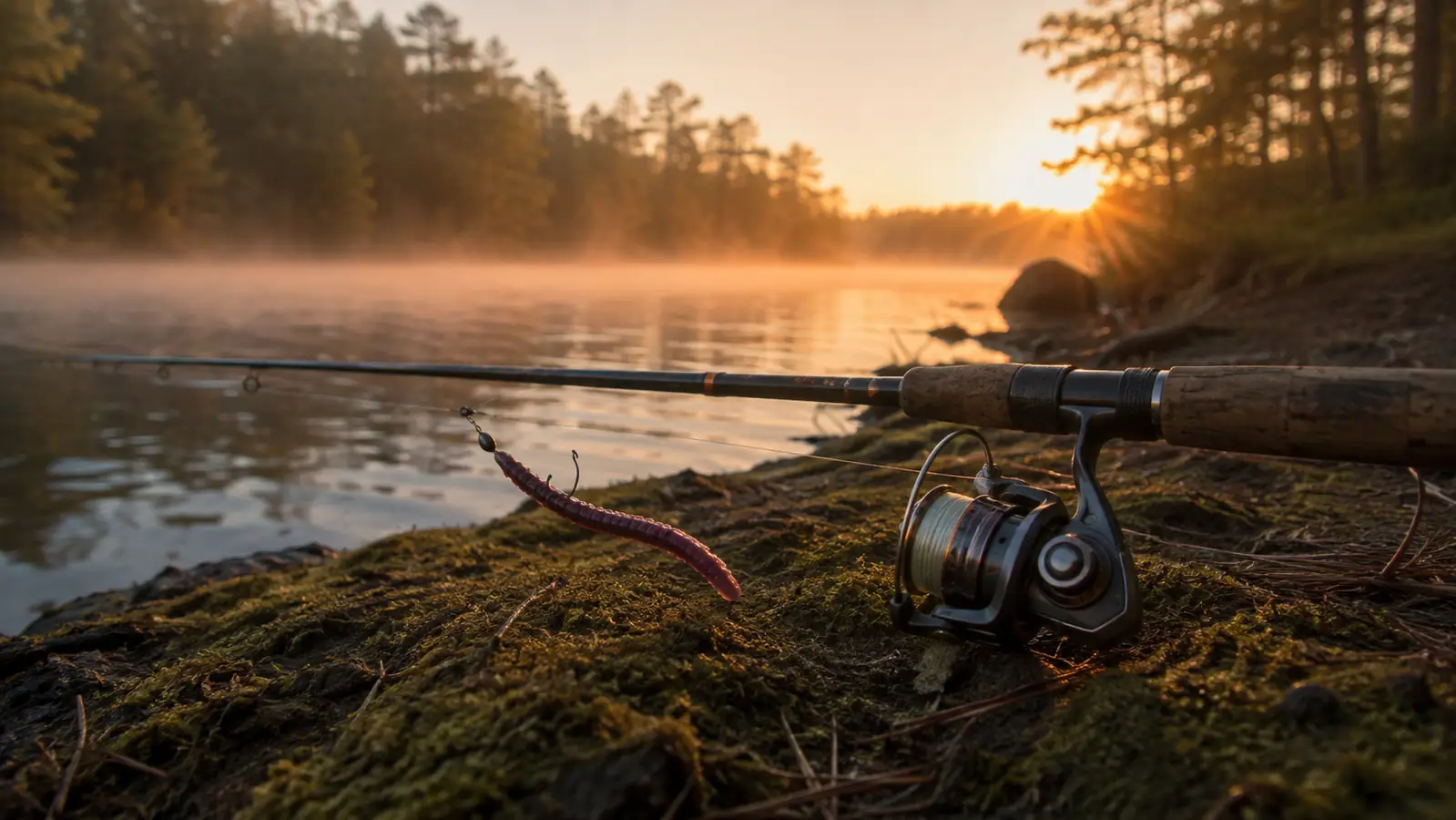
Every angler has one bait that earns its spot in the box not because of a catalog photo, but because it keeps catching fish when nothing else will. For me that bait is the Berkley PowerBait Power Worm. I have thrown it on the White River for smallmouth, in a farm pond for largemouth, and off a dock for crappie in early spring, and a full season later it is still the first pack I reach for. It is the bait I rig for a friend who has never thrown a soft plastic, the one I hand to my nephew on the bank, and the last pack I would give up if I had to clean out my box.
This is not a five-star-everything review. The Power Worm has a couple of things I would change. The scent fades faster than Berkley lets on, and the body tears sooner than the toughest sticks on the shelf. But I know exactly what it does better than the rest, and that is why it has stayed in my box all year. It is not the bait for every situation, and I will tell you where it falls short. But for the way most of us fish, a little bit of everything across a long season, it is the most dependable soft plastic I own.
The Quick Verdict
The Berkley PowerBait Power Worm is the most consistent soft plastic I fish. The scent draws bites, the action catches fish, and the durability is good enough for a full season, just not forever.
Amazon Check Today's Price →The pack that has lived in my box all season
If you only throw one soft plastic this year, this is the one I would start with. Check today's price on Amazon and see if it earns a spot in your box too.
Amazon Check Today's Price on Amazon →How I've Used It
I fish the Power Worm three ways. Texas rigged with a quarter-ounce bullet weight for bass in the grass and around the fallen timber on the river, weightless on a wide-gap hook for smallmouth in the current, and split-shot rigged for crappie hanging over brush in early March. The same pack covers all three, which is the first reason it never leaves my boat. I have also thrown it on a drop shot on a deep point when the bass were holding tight to bottom and nothing else would get a bite.
A typical month for me is two weekends on the river chasing smallmouth and one evening a week on the pond behind the barn. The Power Worm is on the rod for most of that. I have caught 3-pound smallmouth on it, 5-pound largemouth, and enough slab crappie to feed the whole family for a weekend. My heaviest fish of the year came on one in April, a 5-pound 2-ounce largemouth that hit a weightless worm on a rocky point and buried itself in a brush pile before I could turn it.
I keep my rod rigged the whole season. That is the real test. A bait that gets left on the hook for weeks at a time, dragged through gravel, slammed into the bank, and hauled out of the brush has to survive, and this one does. I do not treat it gently. I leave it in the sun, I let it bounce around the boat, and I have forgotten it on the rod through two rainstorms. The plastic gets soft and the tail gets ragged, but it still catches fish.
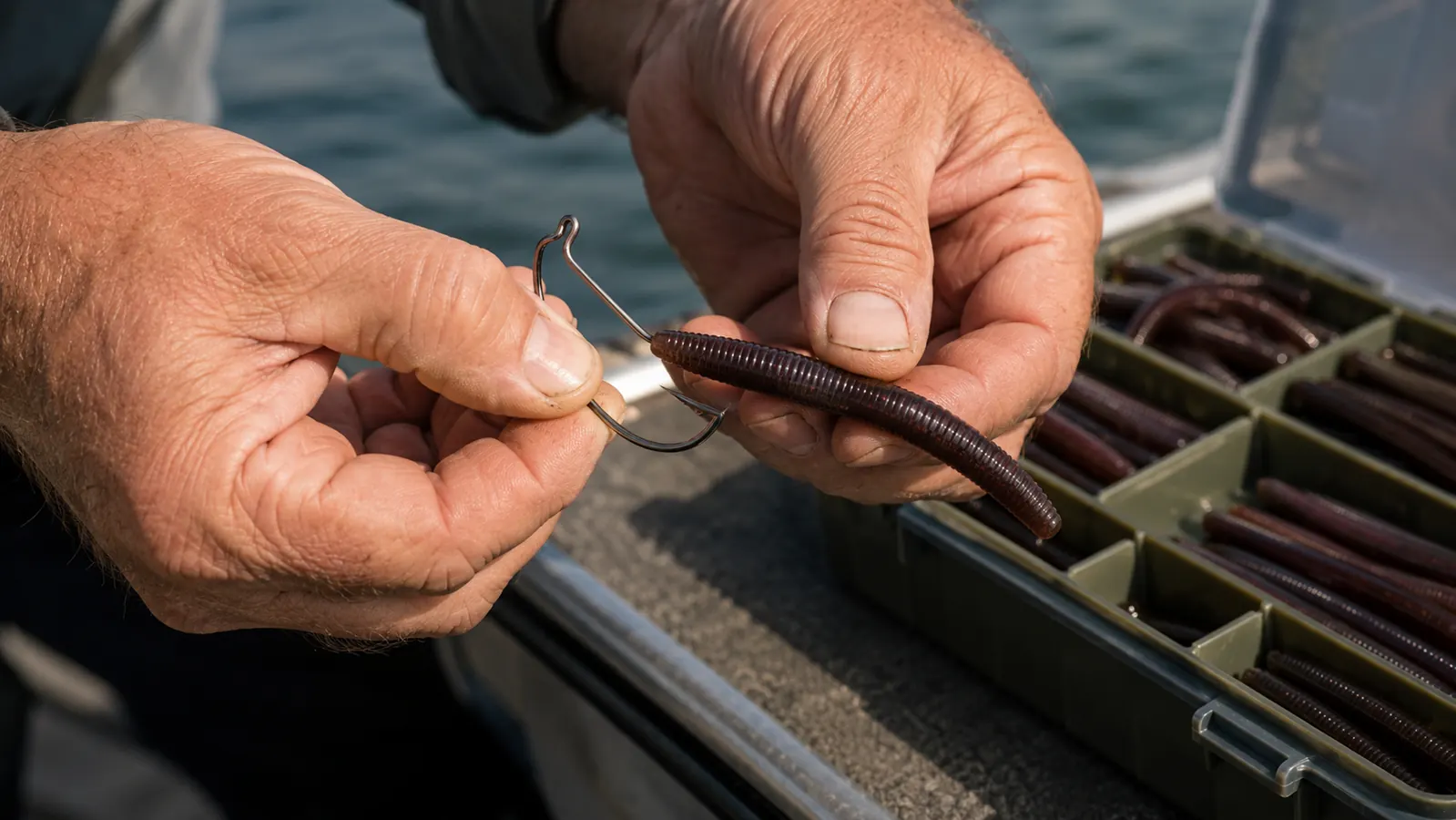
The Scent Is the Whole Story
What makes the Power Worm different is the PowerBait scent. Berkley bakes an attractant into the plastic, a salty, garlicky smell that you can pick up before the pack is even open. When a bass or a crappie mouths the bait, it holds on a beat longer than it does with a plain stick, and that extra second is what turns a short bite into a hookup. It is the difference between feeling a tick and feeling a thump, and I will take the thump every time.
I have tested it side by side with unscented worms from my own box, same hook, same rig, same stretch of bank. The scented bait got the first bite nine times out of ten. That is not a controlled study, but it is a summer of my own fishing and I trust the pattern. The scent seems to matter most on a slow bite. When the fish are aggressive, they will hit anything that moves. When they are picky, the extra attractant is what tips them.
The scent also helps on a finesse presentation where the fish have time to smell before they commit. I fish a lot of weightless worms on the river for smallmouth, and those fish will follow a bait for several feet before they decide. With a Power Worm, that decision happens more often than not. I have watched fish turn toward it from a good two feet away, and that is not something I see with plain plastic.
I pulled a Power Worm out of my box that had been rigged since March and caught a 3-pound smallmouth on it in June. The plastic was chewed, but the bait still did its job.
How It Holds Up Over a Season
Soft plastics die in two ways: they tear off the hook and they melt in the box. The Power Worm is better than average on both. It is softer than the toughest senko-style sticks, which gives it a lot of action in the water, and that softness means it will not survive as many fish as a tougher bait will. The tradeoff is simple: a softer bait catches more fish per cast, and you replace it more often.
In a season of hard fishing I go through a pack of Power Worms every two or three months. A single worm will usually catch three to five fish before it is too chewed to trust. That is not the durability of a premium stick, but at a pack cost that runs a fraction of what the tough sticks go for, the math works out for the way I fish. I would rather rebuy a cheap pack than lose a big fish because a premium worm slid off the hook.
The one thing that will kill a Power Worm fast is a snag. When I hang up on a log or in the rocks, the worm usually comes back with a ripped body even if the hook pulls free. I have learned to carry a spare pack in the truck, not because I expect to lose the whole pack in a day, but because a torn worm on a good bite is a bad way to end an afternoon.
The Colors That Earn Their Keep
The Power Worm comes in a wide range of colors and I have tested a lot of them, but I keep coming back to the same three. Pumpkin seed for the river smallmouth, watermelon for the pond bass, and a dark motor oil for the early crappie bite. If I had to pick a single pack for a weekend, it would be pumpkin seed. It has been my confidence color for years, and confidence is half the game.
Color matters less than the presentation. I have caught fish on every color in the pack. What I have learned is that the action of the worm, the way the tail kicks on a slow fall, matters more than the shade. Start with a natural color that matches the hatch and you will be in the game. On a bright day I go lighter, and on a cloudy day I go darker, but I do not lose sleep over it.
The Power Worm packs also hold up in the box better than some soft baits. I have had other brands turn into a sticky mess in the summer heat, the plastic melting together in the tray. The Power Worms have not done that to me. They get soft in the sun, but they keep their shape and their scent, and that matters when your tackle box lives in the back of a truck.
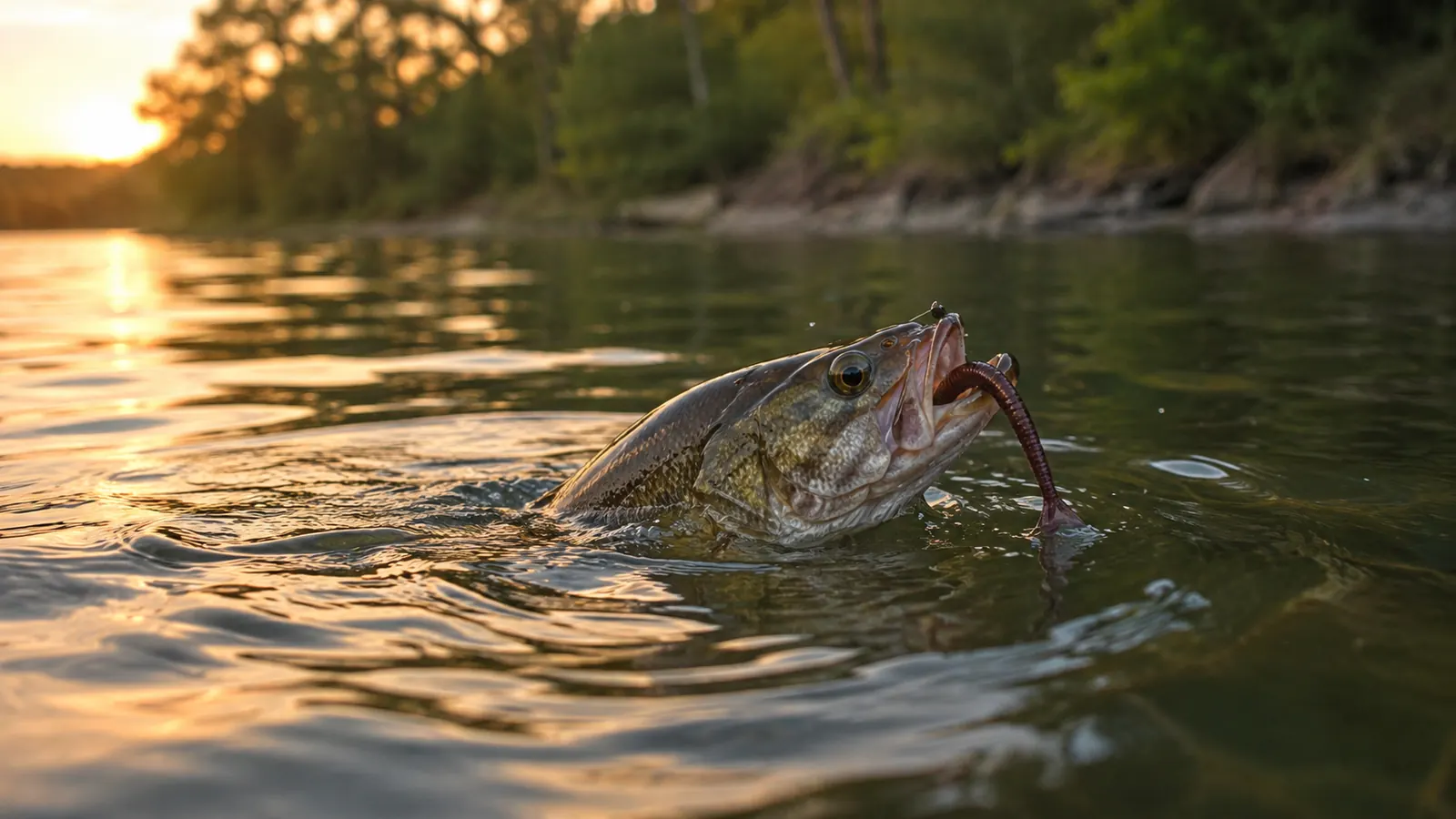
The Tradeoffs: What I Would Change
The honest cons start with the scent. Fresh out of the pack, the PowerBait smell is strong, but it fades after about an hour in the water. The worm still catches fish after that, just not as many as it does early. If you fish the same worm all day, you are fishing a worm that has lost its best trick. I have found that changing to a fresh worm when the bite slows is the cheapest hookset I can make.
The second con is durability. Because the plastic is soft, the Power Worm is not the bait to drag through heavy cover all afternoon. In thick grass I lose more to torn bodies than to lost fish. For those spots I reach for a tougher stick, and for open water and light cover the Power Worm is my first choice. If you fish one patch of weeds all day, you will be disappointed. If you fish the way most of us do, you will be fine.
The last thing I would change is the way the tail holds up. The curl tail on the Power Worm is one of its best features, but it is the first thing to get chewed. After a few fish the tail loses its curl and the action changes. The worm still catches fish, but it does not have that same wiggle on the fall. I have started cutting a fresh curl into the tail with a pair of scissors when it wears out, which stretches a pack a little further.
What I Liked
- The PowerBait scent draws more bites than plain plastic, and I have verified it side by side
- The soft body gives a natural fall and tail kick that bass and crappie hammer
- One pack covers bass, smallmouth and panfish, so it earns its spot in any box
- Holds up for three to five fish per worm, which is good value for a soft bait
Where It Falls Short
- The scent fades after about an hour in the water
- The soft body tears faster than the toughest senko-style sticks
- You will go through a pack every couple of months if you fish hard
Alternatives I've Considered
I have fished plenty of soft plastics over the years, and the closest rival to the Power Worm is the YUM Dinger. That is a stick bait with a different action, a straight fall with a subtle shake instead of the Power Worm's tail kick. I have thrown both side by side, and my honest answer is that the Dinger is tougher and the Power Worm gets more bites. The choice comes down to what you want on any given day.
The Dinger is the bait I reach for when I am flipping heavy cover or fishing a slow, patient presentation. The Power Worm is what I throw when I want a bite now, when the fish are scattered and I need a bait that will draw them from a distance. They are different tools, and I carry both. But if I could only keep one pack for a season, it would be the Power Worm.
There are also the premium senko-style sticks that cost a good deal more per pack. They are tougher and they have a legendary fall, but I have never found that they outfish the Power Worm enough to justify the difference in what they cost. For the money, and for the range of fish it covers, the Power Worm is the best value soft plastic in my box.
Who This Is For
Buy the Power Worm if you fish a little of everything and want one bait that covers it. It is the pack I hand to a friend who does not know what to throw, the bait I rig for a kid on the bank, and the first thing out of my box in the spring when the crappie move shallow. It is a confidence bait, and confidence catches fish. If you are new to soft plastics, this is the pack to learn on, because it forgives a slow retrieve and a sloppy rig.
It is also the right bait if you keep your tackle simple. One pack, a few hooks, and a bullet weight or two will put you in the game for bass, smallmouth and panfish on almost any water you can reach from the bank or the boat. I have caught more species on this one bait than on anything else I own, and that is the whole point of a bait that never leaves your box.
Who Should Skip It
Skip it if you only punch heavy grass and lily pads all day. A soft-bodied worm will not hold up to that abuse, and a tougher stick or a flipping bait will serve you better. Skip it too if you are after a bait that keeps its full smell for a full day on the water, because the scent is the strongest at the start and fades from there.
And be honest about your own style. If you fish one worm until it falls apart, you will burn through Power Worms faster than you expect. If you are the kind of angler who wants a bait to last all season no matter what, there are tougher options. But if you are willing to re-rig every few fish and pay a little attention, you will not find a more effective soft plastic at this price.
Give it a full season like I did
The Power Worm is a cheap pack, it catches fish, and it will not be the bait that sits in your box untouched. Check today's price on Amazon and throw it on a wide-gap hook the next time you hit the water.
Amazon Check Today's Price on Amazon →